
After 20 years of fitting out bedrooms across the UK, I’ve seen it all. I’ve seen homeowners purchase stunning, designer bedside tables only to realize they are staring at the bottom drawer from their bed, or worse, having to perform a full-body sit-up just to reach their glass of water in the middle of the night. If you’ve invested in a luxurious, extra thick mattress, the standard “off-the-shelf” nightstand is likely going to fail you.
Before we look at a single piece of furniture, stop. What is your current mattress-top measurement? If you don’t know the exact distance from the floor to the top of your sleeping surface, you are shopping blind. In this guide, we are going to fix that, ensuring your setup is as ergonomic as it is beautiful.
The Golden Rule: The 5-10 cm Drop
I cannot stress this enough: stop choosing nightstands based purely on how they look on Instagram. A nightstand is a functional tool. My professional benchmark for any bedroom setup is what I call the “3am Reach Test.” When you are groggy, eyes half-shut, and reaching for your alarm clock or a glass of water, you shouldn’t have to strain your shoulder or hunt for a surface that’s too low or too high.
The industry standard—often validated by ergonomic guidelines similar to the principles suggested by the National Institute of Standards and Technology (NIST) regarding human factors—is that your nightstand surface should sit between 5 and 10 cm below the top of your mattress.
- Why 5-10 cm? This height allows you to reach over easily without having to lift your arm uncomfortably high, while preventing you from knocking items over when you roll over in your sleep.
- The danger of “aesthetic-first”: Choosing a table that is level with or higher than your mattress creates a “wall” effect, making the bedroom feel cramped and increasing the risk of knocking your alarm clock off during the night.
Step 1: Measuring Your Mattress-Top Correctly
Grab your tape measure. Don’t eyeball it. I’ve visited many homes where a homeowner thought their bed was 60 cm high, only for my tape measure to show 72 cm once the weight of the person was compressed into the mattress.
To get the measurement right:
The Relationship Between Bed Types and Height
Not all beds are created equal. An extra thick mattress height on a divan base creates a very different profile than the same mattress on a low-profile platform frame. Use this table as a sanity check for your measurements:
Avoiding the “Table Depth” Trap
As I often mention on amumreviews.co.uk, people get so obsessed with height that they forget about depth. If your mattress is extra thick, you likely have a larger footprint. If your bedside table is too deep, you’ll be forced to move it further away from the bed to avoid hitting your knees, which defeats the purpose of the 3am reach test.
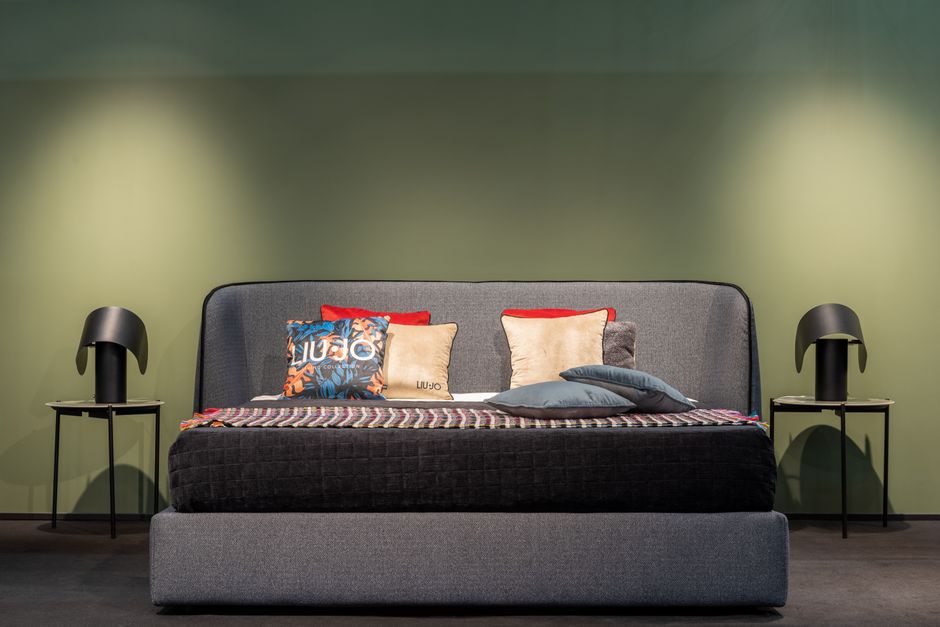
Look for tables that match the width of https://amumreviews.co.uk/should-bedside-tables-be-higher-than-the-bed/ your reach—typically no more than 45-50 cm deep. Anything deeper than that often becomes a “clutter catcher” rather than a functional piece of furniture.
Styling the “Pillow-Top Nightstand” Setup
When working with Petalwood Interiors on high-end bedroom designs, we often find that clients with luxury pillow-top mattresses struggle to find “taller bedside tables” that don’t look like medical equipment. Here is how to reconcile the height discrepancy:
1. Use Wall-Mounted Consoles
If you cannot find a freestanding table that hits that 5-10 cm drop, mount a drawer unit to the wall. This gives you total control over the height. You can align the top surface perfectly, regardless of how many mattress layers you have added.

2. Legs vs. Plinths
A taller bedside table doesn’t have to look bulky. Opt for designs with slim metal legs. This creates a visual “lightness” that prevents a high nightstand from overwhelming the room. It keeps the space feeling open while hitting your required ergonomic height.
3. The “Tray” Solution
If you have a nightstand you love but it’s 5 cm too short, don’t replace it. Add a decorative wooden or glass tray on top. It acts as an extension of your surface and creates a stable, elevated base for your lamp and phone charger.
Final Troubleshooting Checklist
Before you commit to a purchase, check these three boxes:
- The Arm Extension: Lay on your bed and extend your arm. Can you touch the surface of the proposed table without your shoulder rising?
- The Clearance: If the table has a drawer, does the height of the mattress block it from opening? (A common mistake with extra thick mattress setups!)
- The Stability: Because taller tables have a higher center of gravity, ensure the legs are sturdy. If you have kids or pets, anchor them.
Remember, the goal of your bedroom is rest. If your furniture setup is fighting against your body’s natural ergonomics, you’ll never truly get the comfort you paid for with that thick mattress. Take the measurement, stick to the 5-10 cm rule, and prioritize your reach over a catalog aesthetic. Your back (and your 3am self) will thank you.